
Schedule your initial consultation today and start your journey towards a pain-free, healthier smile. Contact us now!
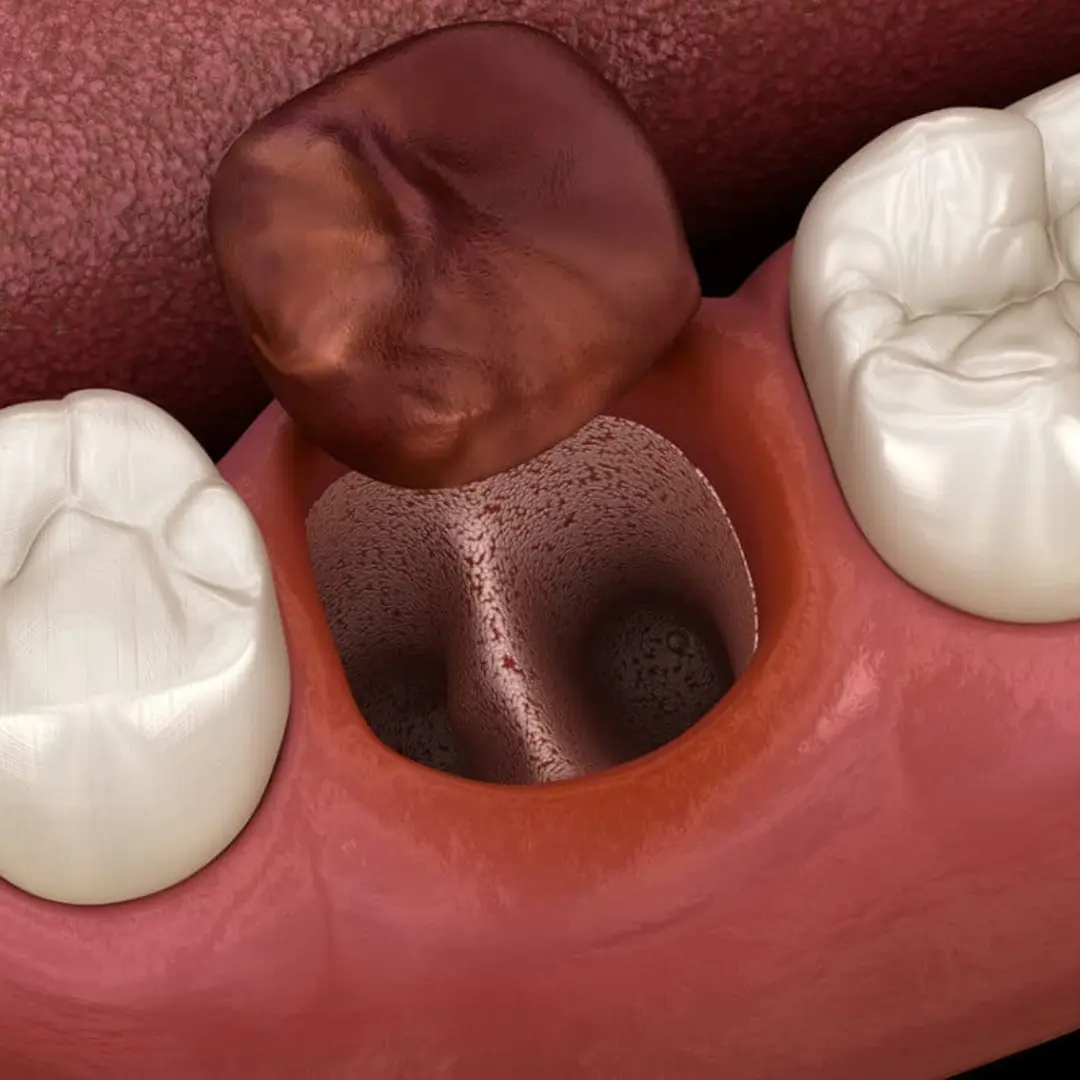
Recognizing the symptoms of dry socket early can help you avoid further complications:
If you experience these warning signs, don’t delay; the pain will not go away on its own without treatment.
A dry socket exposes your bone and nerves, which can lead to:
Prompt care from an emergency dentist in Mission Valley can provide immediate pain relief, reduce complications, and get you back on track to healing quickly.
A dry socket emergency usually develops 24–72 hours after an extraction, most commonly after wisdom tooth removal. If your pain increases after the first day instead of improving, call us immediately.
Yes, avoid smoking or using tobacco products, don’t use straws, don’t forcefully rinse your mouth, and follow your dentist’s instructions carefully. These steps help the blood clot form properly in the socket and stay in place.
Our dentist will guide you on safe ways to brush your teeth and maintain oral hygiene without disturbing the healing site. Usually, gentle rinsing is advised after the first 24 hours.
Not always. Our dentist may consider prescribing antibiotics if infection is present, but in many cases, cleaning and medicated dressings are the most effective solutions.
Yes. Wisdom teeth extractions have a higher risk, especially if aftercare instructions are not followed closely. Proper rest, careful cleaning, and avoiding tobacco use are key to prevention.

Mission Valley Dental Arts based family dentist practice that treats patients of all ages. We are committed to delivering the highest quality dental care and do so using advanced dental equipment.
Copyright © 2026 All Rights Reserved.