

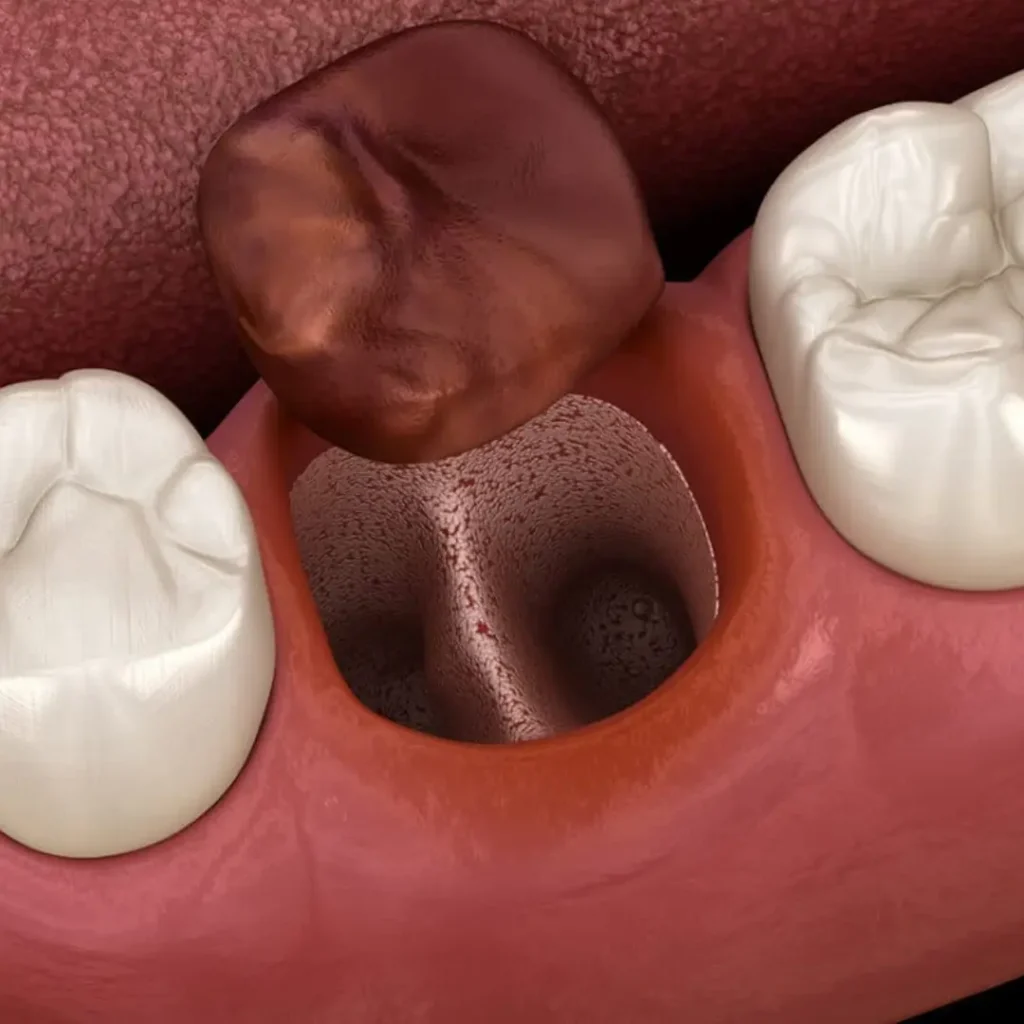
Enamel removal is often the first step in improving the condition of the mouth, however proper recovery afterwards is essential. In some cases, patients develop a dangerous condition called dry socket, which can interfere with normal recovery procedures and require immediate specialist treatment .If you’re experiencing severe pain after a tooth extraction, visiting an emergency dry socket dentist is the best way to relieve discomfort and prevent further complications.
At Emergency Dentist San Diego, patients receive prompt care for dry socket and other urgent dental conditions. An experienced emergency dentist for dry socket can diagnose the problem, provide effective treatment, and help you return to comfortable healing as quickly as possible.
What Is Dry Socket?
Dry coil, additionally called alveolitis, occurs when the protective mass formed after the removal of enamel is displaced or now not properly expanded without this hemorrhage exposing the underlying bone and nerve, causing excessive pain and not healing in time .
Dry enamel usually develops in the first few days after a tooth extraction, primarily by undermining the enamel.
Why Is Dry Socket Considered a Dental Emergency?
Although dry socket is not usually life-threatening, it can cause severe pain that interferes with eating, speaking, and sleeping.
Visiting an emergency dental clinic for dry socket is important because prompt treatment can:
- Relieve severe pain
- Protect exposed bone
- Reduce inflammation
- Encourage proper healing
- Prevent additional complications
- Restore comfort quickly
Ignoring dry socket often leads to prolonged discomfort and unnecessary suffering.
Common Symptoms of Dry Socket
Recognising the symptoms early helps you seek treatment before the condition worsens.
Signs of dry socket include:
- Severe pain beginning a few days after extraction
- Pain radiating to the ear, jaw, neck, or temple
- An empty-looking extraction socket
- Visible exposed bone
- Bad breath
- Unpleasant taste in the mouth
- Increased sensitivity around the extraction site
- Difficulty eating or speaking
If these symptoms appear after a tooth extraction, contact an emergency dentist for dry socket immediately.
What Causes Dry Socket?
Several factors may increase the likelihood of developing dry socket.
Common causes include:
Blood Clot Dislodgement
The blood clot may become dislodged by vigorous rinsing, smoking, drinking through a straw, or excessive spitting.
Smoking or Tobacco Use
Nicotine reduces blood flow while the suction created during smoking can remove the protective clot.
Poor Oral Hygiene
Failure to keep the extraction area clean may delay healing.
Difficult Tooth Extractions
Complex extractions sometimes increase the risk of dry socket.
Previous History of Dry Socket
Patients who have experienced dry socket before may have a greater chance of developing it again.
When Should You Visit an Emergency Dry Socket Dentist?
Many patients experience mild discomfort after a tooth extraction, but severe pain is not normal.
Seek immediate treatment if you experience:
- Intense pain several days after extraction
- Pain that suddenly becomes worse
- Visible bone inside the extraction site
- Persistent bad breath
- Foul taste that does not improve
- Swelling accompanied by severe pain
- Difficulty eating because of pain
An emergency dry socket dentist can quickly diagnose the condition and begin treatment.
How Emergency Dentist San Diego Treats Dry Socket
Every patient receives a comprehensive examination to determine the cause of their symptoms.
Treatment may include:
Examination of the Extraction Site
The dentist evaluates the healing process and checks for exposed bone or infection.
Cleaning the Socket
Food particles and debris are gently removed to reduce irritation.
Medicated Dressing
A soothing medicated dressing may be placed inside the socket to protect the exposed bone and relieve pain.
Pain Management
The dentist may recommend medications to help control discomfort during healing.
Follow-Up Care
Patients receive instructions to promote proper healing and reduce the chance of future complications.
Treatment focuses on relieving pain while allowing the extraction site to heal naturally.
What to Do Before Your Emergency Appointment
If you believe you have a dry socket, these steps may help minimise discomfort until you see the dentist.
Rinse Carefully
Use warm salt water only if instructed by your dentist.
Avoid Smoking
Smoking may worsen the condition and delay healing.
Do Not Use a Straw
Suction can further disturb the healing socket.
Eat Soft Foods
Choose foods that require minimal chewing.
Keep the Area Clean
Follow your dentist’s post-extraction care instructions carefully.
These measures provide temporary relief but do not replace professional treatment.
How to Prevent Dry Socket
Although dry socket cannot always be prevented, following your dentist’s instructions greatly reduces your risk.
Helpful prevention tips include:
- Avoid smoking after extraction
- Do not drink through straws
- Eat soft foods during recovery
- Follow prescribed oral hygiene instructions
- Avoid vigorous rinsing during early healing
- Attend follow-up appointments if recommended
- Take medications exactly as directed
Proper aftercare is one of the best ways to support successful healing.
Why Choose an Emergency Dentist San Diego?
Patients trust Emergency Dentist San Diego because of the team’s commitment to prompt, compassionate emergency care.
Benefits include:
- Experienced emergency dentists
- Same-day emergency appointments when available
- Modern diagnostic technology
- Gentle treatment techniques
- Personalised care plans
- Comprehensive emergency dental services
- Patient-focused approach
Whether you’re experiencing dry socket or another urgent dental problem, the team works quickly to relieve pain and restore your oral health.
The Importance of Prompt Treatment
Many patients usually expect severe pain after removal. Although mild pain is expected, worsening pain several days after the procedure usually indicates a dry coil.
To find a professional solution quickly:
- Stop severe pain
- Protect exposed bone
- Improve healing
- Prevent unnecessary complications
- Restore comfort more quickly
Delaying treatment only prolongs discomfort and may interfere with recovery.
Conclusion
Dry socket is one of the most painful headaches after enamel removal but should be treated vigorously. If you have severe pain, visible bone, or other symptoms of dry coils, don’t ignore your symptoms.
An experienced emergency dry socket dentist can diagnose the condition, relieve pain, and help restore proper healing. Emergency Dentist San Diego provides prompt care for patients needing an emergency dentist for dry socket or an emergency dental clinic for dry socket, ensuring you receive compassionate treatment when you need it most.
Seeking immediate care is the best way to reduce discomfort, protect your oral health, and return to normal healing.
Frequently Asked Questions (FAQs)
1. What is dry socket?
Dry socket is a painful condition that occurs when the protective blood clot after a tooth extraction becomes dislodged or fails to form, exposing the underlying bone and nerves.
2. When should I visit an emergency dentist for dry socket?
You should seek immediate treatment if you experience severe pain, visible bone, bad breath, or worsening discomfort a few days after a tooth extraction.
3. Can an emergency dental clinic treat dry socket?
Yes. An emergency dental clinic for dry socket can clean the extraction site, apply medicated dressings, relieve pain, and provide instructions to support proper healing.
4. How long does dry socket take to heal?
With prompt treatment and proper aftercare, most patients experience significant pain relief within a few days, while complete healing typically occurs over several weeks.
5. How can I prevent dry socket after a tooth extraction?
Avoid smoking, using straws, vigorous rinsing, and follow all post-extraction care instructions provided by your dentist. Good oral hygiene and proper aftercare help reduce the risk of developing dry socket.