

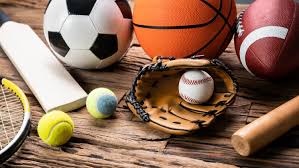
Sports can be exciting and rewarding, but accidents can happen during almost any physical activity. A hard hit from a ball, collision with another player, or unexpected fall can damage your teeth, gums, lips, or jaw. While some injuries are minor, others require immediate attention to prevent further complications. Knowing when to seek care after Dental Injuries can help protect your smile and oral health.
If you experience a dental problem during a game or practice, Emergency Dentist San Diego can provide prompt evaluation and emergency dental services when urgent treatment is needed.
Common Dental Problems Caused by Sports
Sports-related impacts can cause several types of oral injuries. The severity may depend on the force of the impact and the area affected.
Common Sports Dental Injuries include:
Chipped or broken teeth
Cracked teeth
Knocked-out teeth
Loose or displaced teeth
Tooth pain or sensitivity
Cuts to the gums, lips, or cheeks
Damage to crowns, fillings, or bridges
Jaw injuries
Even when an injury appears minor, there may be damage beneath the surface that is not immediately noticeable. New pain, sensitivity, swelling, or tooth movement after an accident should not be ignored.
Chipped or Broken Teeth After a Sports Injury
If trauma directly hits your tooth, it can cause a chip or crack your tooth. A light chip may not cause much pain, but cracked teeth can affect deeper layers of the tooth, making your tooth feel sensitive or cause an ache. Do not try biting with an injured tooth, and also do not allow the sharp tooth to touch the tongue very often.
If a part of your tooth breaks off, remember this piece of tooth and bring it to the dentist. The dentist can assess whether the tooth should be repaired with bonding or needs another option.
Cracked Teeth Can Require Prompt Attention
A tooth may also chip and be accompanied by a crack on account of striking a ball, an elbow, a helmet, or even other objects. Such a crack is painful when you bite or tender to temperature-sensitive foods and drinks- whether cold or hot. A crack may often not be visible on the tooth until a dental examination is conducted by a dentist.
Pressing the cracked tooth can result in the problem worsening and leading to greater fracture of the tooth structure.
Should your tooth become sensitive or become painful after an impact or collision, seek the service of a dentist and avoid self-medication or observing the tooth until pain subsides.
What to Do If a Tooth Gets Knocked Out
A knocked-out permanent tooth is one of the most urgent Dental Injuries From Sports. Quick action is important.
If a permanent tooth is knocked out:
Carefully pick up the tooth by the crown.
Avoid touching or scrubbing the root.
Gently rinse it if it is dirty.
If possible, carefully place it back into the socket without forcing it.
If you cannot place it back, keep it moist in milk or a tooth-preservation solution.
Seek emergency dental care immediately.
Do not wrap the tooth in dry tissue or leave it sitting dry. If you are unsure what to do, contact an emergency dental professional for guidance while arranging immediate care.
Loose or Displaced Teeth
A high-impact sports injury can potentially knock a tooth loose or out of position. The tooth may appear intact, but underlying ligaments and tissues holding it in the bone may be damaged. Do not try to manually pop the tooth back in position.
Do not eat in the area and see a professional to have the tooth examined.
Treatment depends on the type of injury, but the dentist will likely have to support the tooth while allowing the gum socket to heal.
When Should You Seek Emergency Dental Care?
Not every sports-related dental injury is an emergency, but certain symptoms require prompt attention.
You should seek emergency dental care if you experience:
A knocked-out permanent tooth
Severe or worsening tooth pain
A badly broken or cracked tooth
A very loose or displaced tooth
Heavy or persistent bleeding
Significant swelling around the mouth or jaw
Difficulty opening or closing your mouth
Severe sensitivity after an impact
Damage to a crown, bridge, filling, or other restoration
A dental injury accompanied by significant facial trauma
Emergency Dental Care for Sports Injuries can help identify the extent of the injury and determine the appropriate treatment.
What to Do Immediately After a Sports Dental Injury
Taking appropriate first-aid steps can help protect the injured area until you receive professional care.
Control Bleeding
If the gums or soft tissues are bleeding, gently apply clean gauze or a clean cloth to the area when appropriate.
Reduce Swelling
A cold compress applied to the outside of the face can help reduce swelling and discomfort.
Protect the Injured Tooth
Avoid chewing on the affected side. Choose softer foods if eating is necessary, and avoid extremely hot or cold foods if the tooth is sensitive.
Do Not Attempt DIY Repairs
Do not use household glue or other products to repair a broken tooth, crown, or dental restoration. Temporary actions that seem convenient can cause additional problems.
Get Professional Evaluation
If pain, sensitivity, bleeding, swelling, or tooth movement continues after the accident, professional evaluation is important. Some injuries may not be visible without a dental examination or X-ray.
How an Emergency Dentist for Sports Injuries Can Help
If you suffer a sports injury that causes dental trauma, your emergency dentist will be able to examine your teeth and surrounding mouth structures and diagnose the underlying cause of your dental emergency. Dental x-rays are often a helpful diagnostic tool, particularly to reveal damage that isn’t readily apparent during a standard visual inspection. Emergency treatment for such injuries might involve repairing fractured teeth, securing dislodged teeth, relieving extreme pain, addressing a broken dental restoration, or providing other types of immediate emergency dental care.
For athletes and families dealing with unexpected dental trauma, Emergency Dentist San Diego provides emergency dental services to help address urgent dental problems following sports accidents.
How to Prevent Sports Dental Injuries
Although accidents cannot always be prevented, athletes can take several steps to reduce their risk.
Wear a Mouthguard
A properly fitted mouthguard can help protect the teeth and soft tissues from certain impacts. Athletes involved in contact or collision sports should consider using appropriate mouth protection.
Use Protective Equipment
Helmets, face guards, and other protective equipment may provide additional protection depending on the sport. Make sure equipment fits correctly and is maintained properly.
Take Care of Existing Dental Problems
Previously damaged or weakened teeth may be more vulnerable to trauma. Addressing dental problems before participating in sports can help reduce potential complications.
Follow Safety Rules
Using proper techniques and following the rules of your sport can reduce unnecessary collisions and falls.
Protect Your Smile After a Sports Accident
Sports injuries can happen unexpectedly, but knowing how to respond can make a difference when your teeth are affected. A chipped tooth may need repair, while a knocked-out or severely damaged tooth may require immediate emergency care.
If you experience Dental Injuries From Sports, do not ignore persistent pain, swelling, bleeding, sensitivity, or changes in the position of a tooth. Getting timely professional attention can help identify the problem and prevent additional complications.
For prompt assistance after a sports-related dental emergency, contact Emergency Dentist San Diego for professional emergency dental care and evaluation.
Frequently Asked Questions
Can sports cause serious dental injuries?
Yes. A sports accident can cause chipped, cracked, loose, displaced, or knocked-out teeth. Injuries can also affect the gums, lips, cheeks, and jaw.
What is the most urgent dental injury during sports?
A knocked-out permanent tooth is considered an urgent dental situation. Seek professional dental care as quickly as possible after the injury.
Should I see a dentist if my tooth only feels sensitive after a sports accident?
Yes, sensitivity from impact can be caused by damage. Your dentist will check the tooth and see if any dental treatment is required.
Can a cracked tooth heal on its own?
No. Most cracked teeth will not heal themselves; see a dentist for evaluation of the extent of damage.
How can I prevent dental injuries while playing sports?
Wearing a properly fitted mouthguard and using appropriate protective equipment can help reduce the risk of certain Sports Dental Injuries.