

Dental emergencies can occur unexpectedly and often require immediate professional attention. Many people are unsure whether their dental issue is serious enough to require urgent care. Understanding what qualifies as a dental emergency can help you act quickly and prevent further complications.
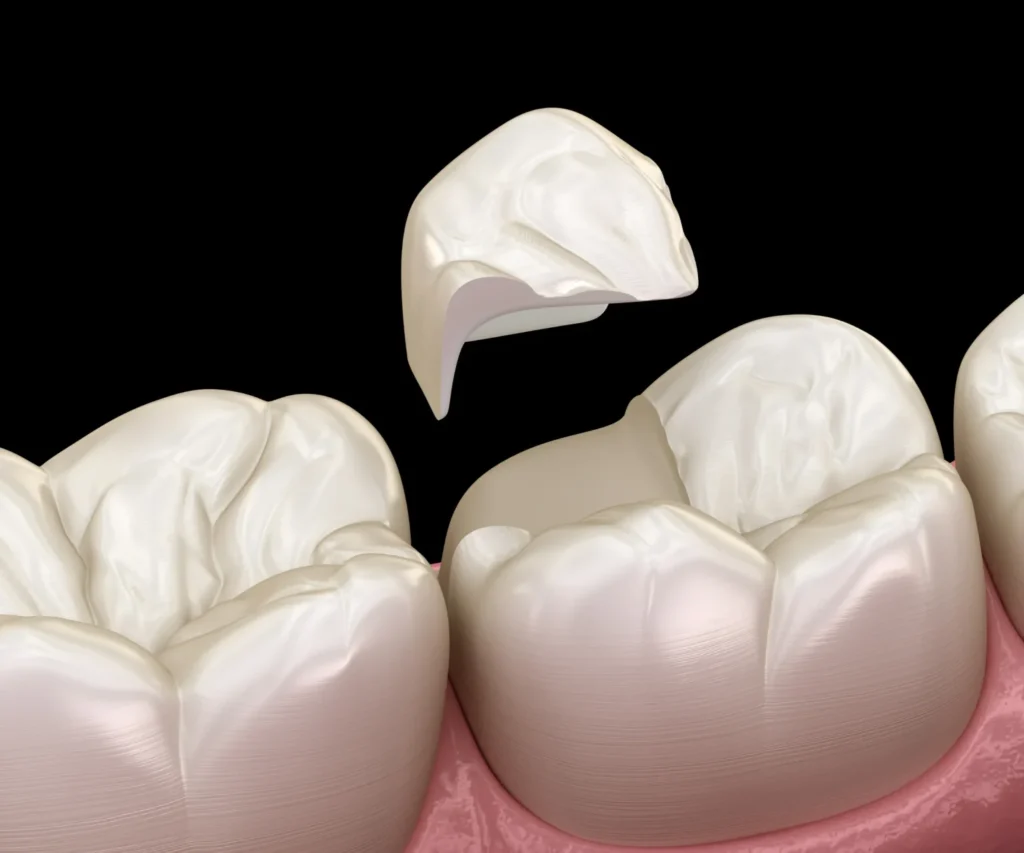
Common dental emergencies include severe tooth pain, knocked-out teeth, cracked or broken teeth, swelling in the gums or jaw, dental abscesses, and uncontrolled bleeding after a dental procedure. These situations can cause intense discomfort and may lead to infection or permanent tooth damage if not treated promptly.
One of the most frequent dental emergencies is a severe toothache. This pain may indicate deep tooth decay, infection, or nerve damage. If the pain is persistent and does not improve with home remedies, you should contact a dentist immediately.
Another urgent situation is a knocked-out tooth. Acting quickly can sometimes save the tooth. If this happens, gently rinse the tooth without touching the root and try placing it back in the socket. If that’s not possible, keep it in milk and visit a dentist as soon as possible.
Swelling in the gums or face may indicate an infection or abscess. This condition can spread if left untreated and should always be considered a dental emergency.
Recognizing the signs early and seeking immediate dental care can prevent more complex treatments later.